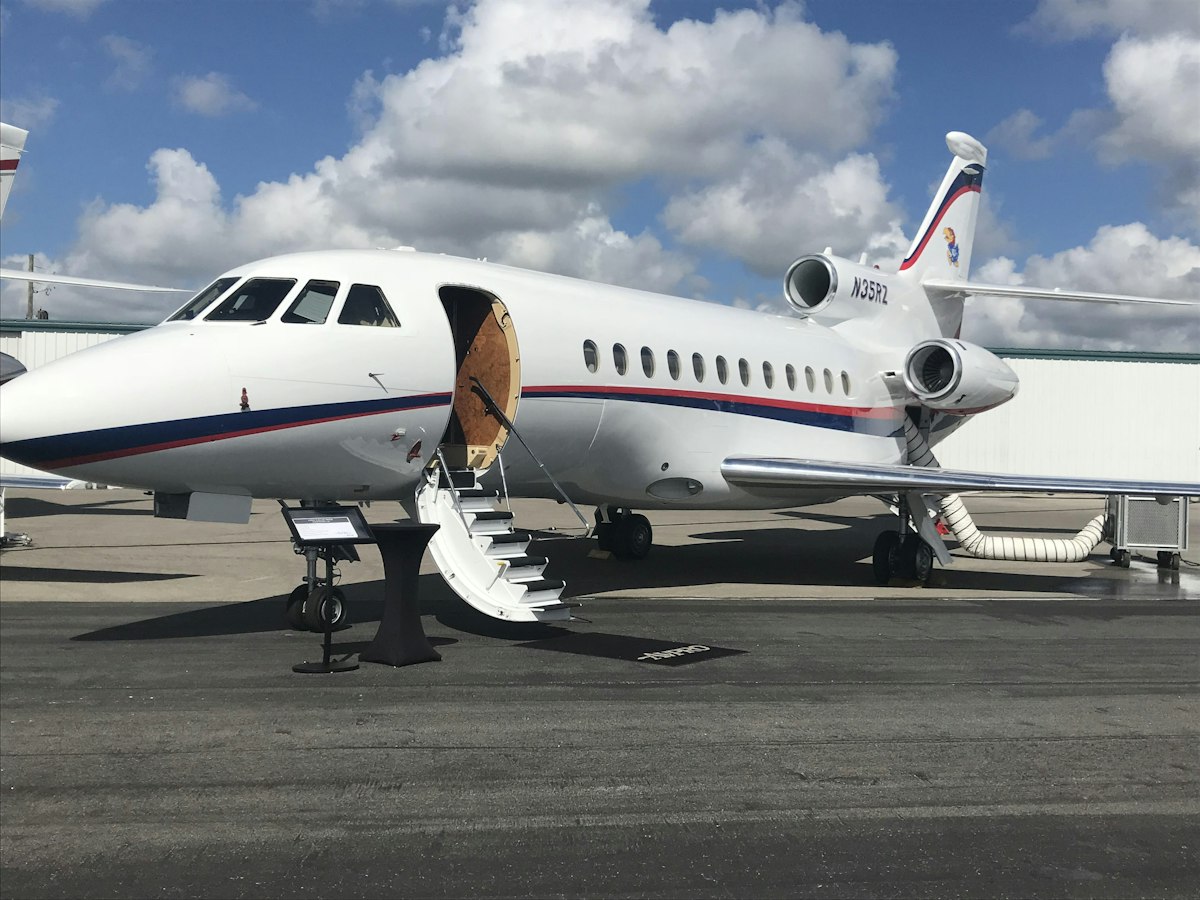

Buying a private jet without a comprehensive pre-purchase inspection is like purchasing a house without a survey — except the stakes are significantly higher. A single overlooked airframe issue can cost $500,000 or more. A missed engine life-limit component can run into the millions.
Why Pre-Purchase Inspections Are Non-Negotiable
Every aircraft tells a story through its records. Logbooks, maintenance tracking databases, service bulletins, and airworthiness directives create a narrative of how that aircraft has been treated throughout its operational life. A pre-purchase inspection reads that story and translates it into financial risk.
At MDG Aviation, we've seen clients approach us after a failed acquisition where they skipped the PPI to "save time." In one case, a buyer purchased a Bombardier Challenger 350 based on visual inspection alone. Within six months, they discovered the aircraft needed a $1.8 million hot section inspection that had been deferred — information readily available in the maintenance records if anyone had looked.
The Five Pillars of a Thorough PPI
1. Records Review
This is where the inspection begins — often weeks before anyone touches the aircraft. A complete records review includes total time and cycles on airframe, engines, and APU; compliance status of all mandatory service bulletins and airworthiness directives; complete maintenance history including all scheduled and unscheduled events; damage history and repair documentation; and modification and STC records.
2. Airframe Inspection
A qualified inspector examines the aircraft structure for corrosion, fatigue cracking, previous repairs, and general condition. This typically involves removing inspection panels, borescoping critical structures, and evaluating paint and sealant conditions.
3. Engine and APU Evaluation
Engine inspections include borescope examination of hot section components, review of trend monitoring data, oil analysis history, and assessment of remaining time before next scheduled overhaul or hot section inspection.
4. Avionics and Systems Testing
Modern business jets carry millions of dollars in avionics. A comprehensive inspection tests all navigation, communication, and flight management systems; autopilot and autothrottle functionality; weather radar and TCAS performance; cabin management and entertainment systems; and Wi-Fi and connectivity systems.
5. Interior and Exterior Assessment
While cosmetic, the condition of the interior and exterior directly impacts value and can reveal how carefully the aircraft has been maintained. Worn interiors often correlate with deferred maintenance elsewhere.
Choosing the Right Inspection Facility
Not all MRO facilities are created equal. We recommend selecting a facility that is authorized by the aircraft's OEM, has specific type experience with your aircraft model, maintains a reputation for thoroughness rather than speed, and provides detailed written reports with photographic documentation.
Cost vs. Value
A comprehensive PPI typically costs between $25,000 and $75,000 depending on the aircraft type and scope. Against the backdrop of a multi-million dollar acquisition, this represents a fraction of a percent of the total investment. The potential savings from identifying issues before purchase routinely exceed the inspection cost by orders of magnitude.
Our Approach at MDG Aviation
We manage the entire PPI process on behalf of our clients. We select the inspection facility, define the scope, attend the inspection in person, review all findings, and translate technical issues into financial impact assessments. This ensures our clients make informed decisions based on comprehensive data — not assumptions.
The aircraft that looks perfect on paper isn't always perfect in practice. A thorough pre-purchase inspection is your last line of defense before committing millions. Don't skip it. Don't rush it. And above all, don't let the seller control it.